



Outdoor and height-based activities have grown far beyond niche hobbies. Today, climbing, camping, tree care, and rope access form a connected ecosystem of skills used in recreation, professional work, and environmental management. Whether you’re scaling a rock face, setting up camp in remote terrain, maintaining trees, or working at height, one thing remains constant: the need for knowledge, preparation, and reliable equipment.
This guide breaks down each discipline, explains how they connect, and highlights the essential tools and safety principles required to perform them effectively.
1. Climbing: Technique, Control, and Trust in Equipment
Climbing is both a physical and mental challenge. It requires strength, balance, and strategic thinking — but most importantly, trust in your equipment and technique.
Main types of climbing:
- Sport climbing: Pre-bolted routes with fixed anchors
- Trad climbing: Placing your own protection as you climb
- Bouldering: Short climbs without ropes, focused on strength and technique
- Alpine climbing: Multi-discipline climbing in mountain environments
Essential gear includes ropes, harnesses, helmets, carabiners, belay devices, and climbing shoes. Each item plays a critical role in safety and performance.
High-quality equipment is crucial. Suppliers like Rope Master provide specialized gear designed for both recreational and professional use, ensuring reliability in demanding conditions.
2. Camping: Living Comfortably in the Outdoors
Camping complements climbing and outdoor work by providing a base for exploration and recovery. It’s about self-sufficiency, planning, and adapting to natural environments.
Key camping essentials:
- Shelter (tent, tarp, or bivvy)
- Sleeping system (sleeping bag, mat)
- Cooking equipment and food supplies
- Navigation tools (map, compass, GPS)
- Weather-appropriate clothing
Successful camping is not about carrying everything — it’s about carrying the right things. Weight, durability, and weather resistance all matter.
3. Tree Care (Arboriculture): Precision and Responsibility
Tree care is a highly skilled profession that involves climbing and rope systems to maintain, prune, or remove trees safely. Arborists work in complex environments where safety and precision are essential.
Common tree care tasks:
- Pruning and shaping trees
- Removing dead or hazardous branches
- Tree removal in confined spaces
- Health assessment and maintenance
Unlike recreational climbing, tree care requires specialized techniques such as rope positioning systems, friction management, and controlled descent methods.
Equipment such as climbing ropes, harnesses, ascenders, and rigging tools must meet strict safety standards. Professional-grade gear — like that available from Rope Master — ensures both efficiency and safety during operations.
4. Rope Access: Working Safely at Height
Rope access is a method used in industries such as construction, maintenance, inspection, and rescue. It allows workers to reach difficult areas safely using ropes and specialized systems instead of scaffolding or heavy machinery.
Applications of rope access:
- Building maintenance and window cleaning
- Bridge and infrastructure inspection
- Industrial installations and repairs
- Rescue operations
Safety in rope access is governed by strict procedures, including redundancy systems (backup ropes), certified equipment, and continuous training.
5. Essential Equipment Across All Disciplines
While each activity has its own requirements, many tools overlap:
- Ropes: Dynamic for climbing, static for rope access and tree work
- Harnesses: Designed for comfort and load distribution
- Carabiners: Connect systems securely
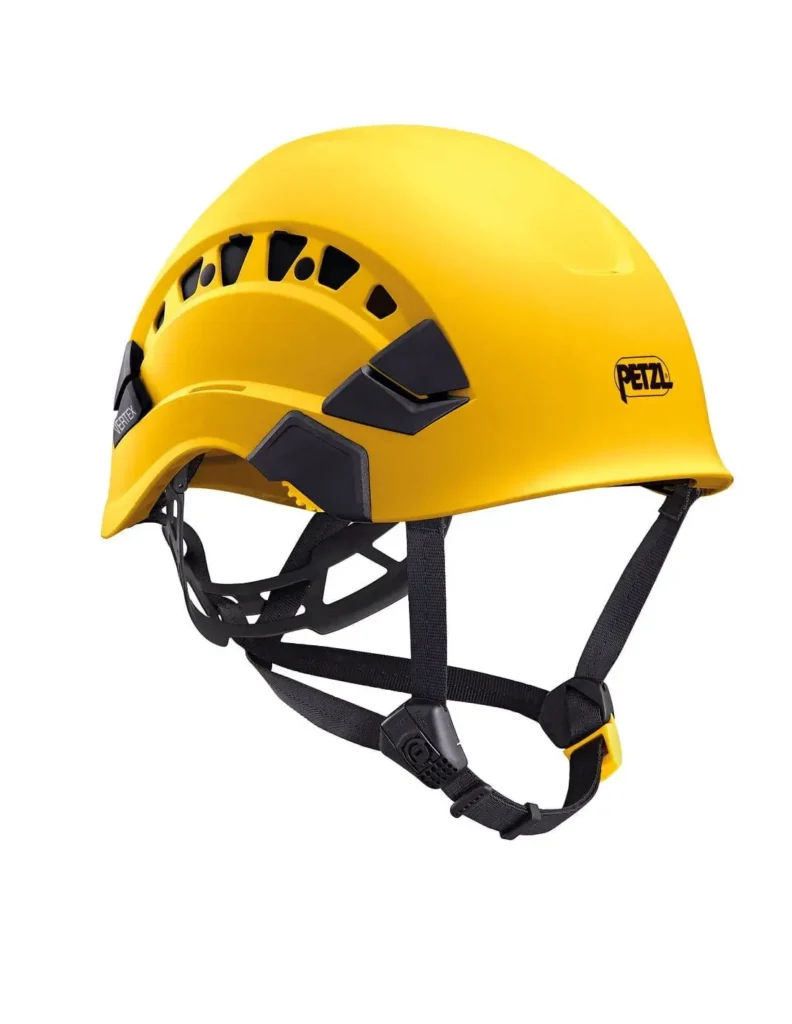
- Helmets: Protect against falling objects and impacts
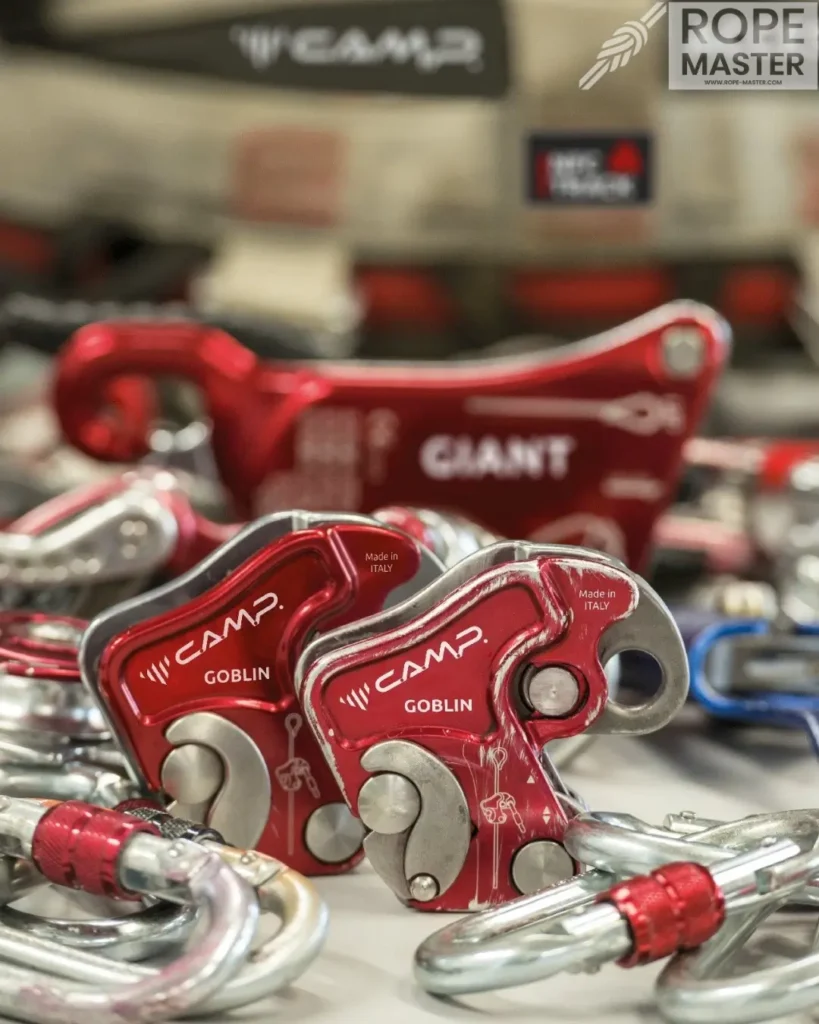
- Ascenders & descenders: Control movement on ropes
The quality of these components directly impacts safety. Investing in certified, durable gear is not optional — it is essential.
6. Safety Principles You Must Follow
Across climbing, camping, tree care, and rope access, safety is the foundation of everything.
- Always inspect your equipment before use
- Understand load limits and proper usage
- Use backup systems when working at height
- Get proper training before attempting advanced techniques
- Stay aware of environmental conditions
Knowledge and preparation reduce risks significantly and allow you to focus on performance and enjoyment.
7. The Connection Between These Disciplines
While they may seem separate, these activities share a common foundation: rope systems, safety awareness, and respect for the environment.
A climber may camp at the base of a route. An arborist uses climbing techniques adapted for trees. A rope access technician applies similar principles in industrial settings. The skills transfer across disciplines, making each one stronger.
Final Thoughts
Climbing, camping, tree care, and rope access are not just activities — they are skill sets that require discipline, preparation, and the right equipment. Whether you’re an outdoor enthusiast or a professional working at height, investing in knowledge and quality gear is essential.
For reliable equipment designed for demanding environments, explore solutions from Rope Master and ensure every climb, job, or adventure is backed by safety and performance.